


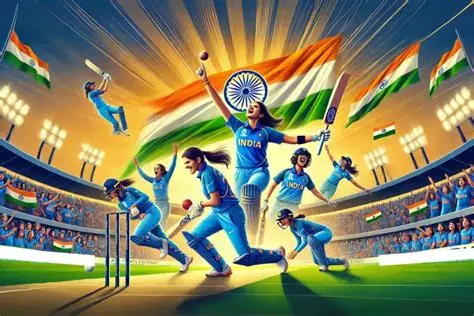
On a crisp November evening in 2025, when the whistle blew and the final wicket fell at the DY Patil Stadium, it wasn’t just a cricket match that ended–it was the opening chapter of a new era. The India women’s cricket team had finally lifted their first ICC Women’s Cricket World Cup 2025 trophy, defeating South Africa women’s cricket team by 52 runs. But the significance of this win reached far beyond the boundary ropes. It marked the tipping point in a transformation–of women’s cricket in India, of sport in India more broadly, of aspiration and access for a generation of girls across Tier-2 and Tier-3 cities.
This piece is not about the final alone. It explores how the transformation was set in motion, the unsung engineers behind it, the grassroots surge it unleashed and the broader ripple effect it triggered across Indian sport.
From Underfunded Beginnings to Global Dominance
Not so long ago, women’s cricket in India was a niche affair–out of the spotlight, under-resourced and carrying the weight of missed chances. Veterans like Diana Edulji long forecast that a major victory would change the “history and geography” of the game in India. For years, finals slipped away in heartbreak (2005, 2017) and the mental block loomed large.
Then the stars began to align. The team invested in skill, depth and belief. Young stars emerged, support systems improved and the board stepped up. When the Trophy arrived in 2025, it was the culmination of years of quiet structural change.
One could trace the arc: from small local tournaments–girls sneaking a bat into a vacant patch of ground–to the national stage, where picks and contracts approached parity with the men’s side. The journey involved risk-taking: investing in coaching, fitness, data analytics, overseas tours, and a professional mindset. The stakes were clear: excellence wouldn’t wait for permission–it needed to be demanded.
When opener Shafali Verma smacked an 87 in the final and all-rounder Deepti Sharma starred with five wickets and a fifty, the result wasn’t luck. It was the result of decades of groundwork.
The Engine Room: Academies, Finance and Media Surge
Victory on that day was backed by changes that had already begun. The transformation of women’s cricket required a new architecture.

Grassroots Academies:
Across India, especially in smaller towns, cricket academies for girls began to bloom. These weren’t cosmetic–they were serious. Infrastructure improved. Qualified coaches (often previously male-dominated) began training female talent. Fitness and mental conditioning became standard. Local tournaments gave girls a platform and a path.
Financial Model Shift:
The Board of Control for Cricket in India (BCCI) signalled the change: after the World Cup triumph, a historic reward of [?]51 crore (US $5.8 million) was announced.That moment was symbolic: women’s cricket earned recognition not just on the scoreboard but financially. Contracts improved, sponsorships increased, broadcast deals grew. The commercial viability of the women’s game became undeniable.
Media & Coverage Surge:
For the first time, women’s matches weren’t relegated to obscure time-slots. Broadcasts improved, commentary decks got female voices, social media amplified stars, and ad-rates surged. One Reddit thread noted ad rates for the Women’s World Cup final soared by nearly 40 % compared to earlier editions. Reddit The visibility of these players became part of daily sports conversation. Girls in smaller towns now recognised a Shafali or a Deepti the way their brothers knew a Kohli or a Rohit.
Together, these structural changes built the runway for the 2025 triumph–and more importantly, for what came after.
Unsung Contributors: The Coaches, Analysts & Trainers
Gold medals and trophies shine bright. But behind every shot, every wicket, every catch were thousands of small moments–unnoticed but essential.
Consider the domestic coach in a small town who insisted that girls run extra field drills when they’d rather relax; the fitness trainer who swapped Indian-specific programs for women in cricket; the data analyst who ran live opposition scouting for an emerging batter; the physiotherapist in a Tier-3 centre who made sure recovering players didn’t drop out.
When Shafali blasted her half-century in the final or Deepti ripped apart the opposition, they drew on years of such work.
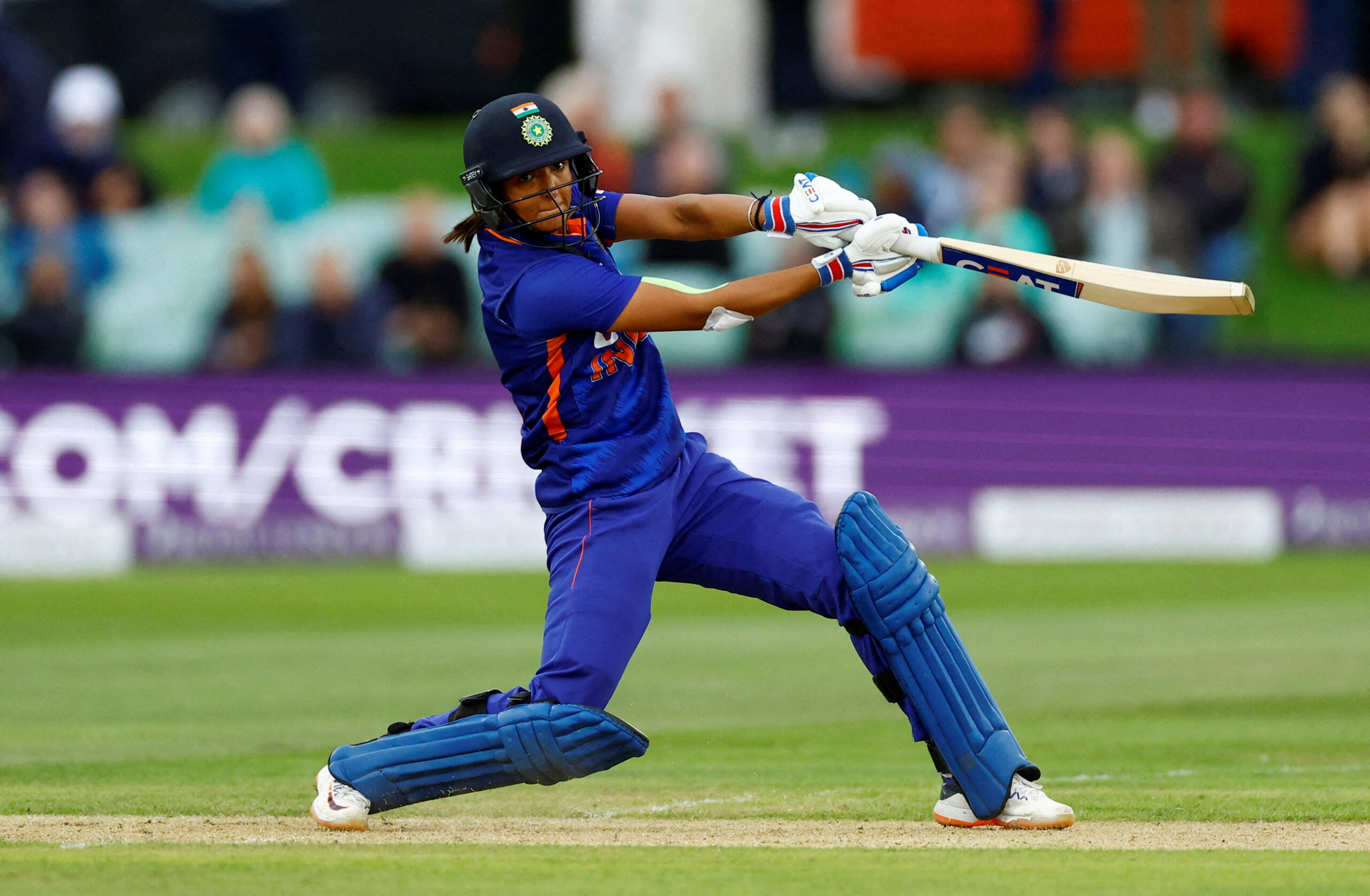
One article noted that the victory “wasn’t just about the trophy… it was the sound of change”. my khel And that change is as much operational as it is inspirational. The domestic feeder system, the relays of coaches, the support staff, the analysts–they built the platform.
Thus the narrative moves beyond the glamour shot: into the gym at 5 am in a dusty town; the data-sheet poured over after a league match; the travel-tired younger sister who skipped a family wedding to join a training camp. This is the human side of the rise.
A Socio-Cultural Shift: Girls Picking Up the Bat
If you wander into a cricket academy in Guwahati, Visakhapatnam or a small town in Uttar Pradesh today, you might notice two things: more girls showing up for sessions, and the tone of their voices–less tentative, more assertive.
The 2025 World Cup win became a marker. It told girls, parents and communities: “Yes, sport is for you. There’s a path.” As Edulji had predicted: victory would change the “geography” of Indian women’s cricket.
In many Tier-2 & Tier-3 cities, girls are now joining cricket along with engineering or medicine. The bat is no longer an odd item in the corner of the room–it’s part of the kit. Local sponsors began supporting women’s teams. Schools allocated practice slots. Parents who once steered daughters away from sport now see it as a viable dream.
Cricket isn’t alone in feeling the effect. The success of women’s cricket has begun to shift attitudes in other disciplines too. Athletics, hockey, badminton–all see young girls dreaming bigger, asking for better infrastructure, citing female sports stars as role models.
This isn’t overnight. But the shift is visible. The pathways are clearer, the barriers lower, the acceptance higher.
The Broader Sports Ecosystem: Harvesting the Momentum
Victory in cricket was the spark–but the fire is spreading. India’s sports ecosystem is adjusting to this new dynamic.
Multi-discipline investment: Authorities, sponsors and organisations are realising that if women’s cricket can convert structural reform into gold, other sports can too. The playbook is being adapted: fund academies, professional contracts, broadcast deals, public-private partnerships, at earlier ages.
More Read

Career modelling: Six-year-olds in sports academies today ask about contracts, leagues, international exposure. Not only for cricket but for hockey, football, table tennis, athletics. The idea of “you can pursue sport and a professional life” is being internalised.
Media and storytelling: The narrative around women athletes is shifting–from “look how cute she is batting” to “look how fast she ran, how smart she strategised”. Documentaries, social media, specialised shows–they’re elevating female athletes across disciplines.
Sponsorship & commercial maturity: With women’s cricket proving commercial success, sponsors are more willing to invest in women’s sports broadly. The festival mood around the World Cup final sent a signal: women’s sport can deliver results, stories, returns.
The consequence: sports administrators are no longer just ticking the “inclusion” box–they’re planning for performance, infrastructure, professionalism.
Looking Ahead: What Does Dynasty Look Like?
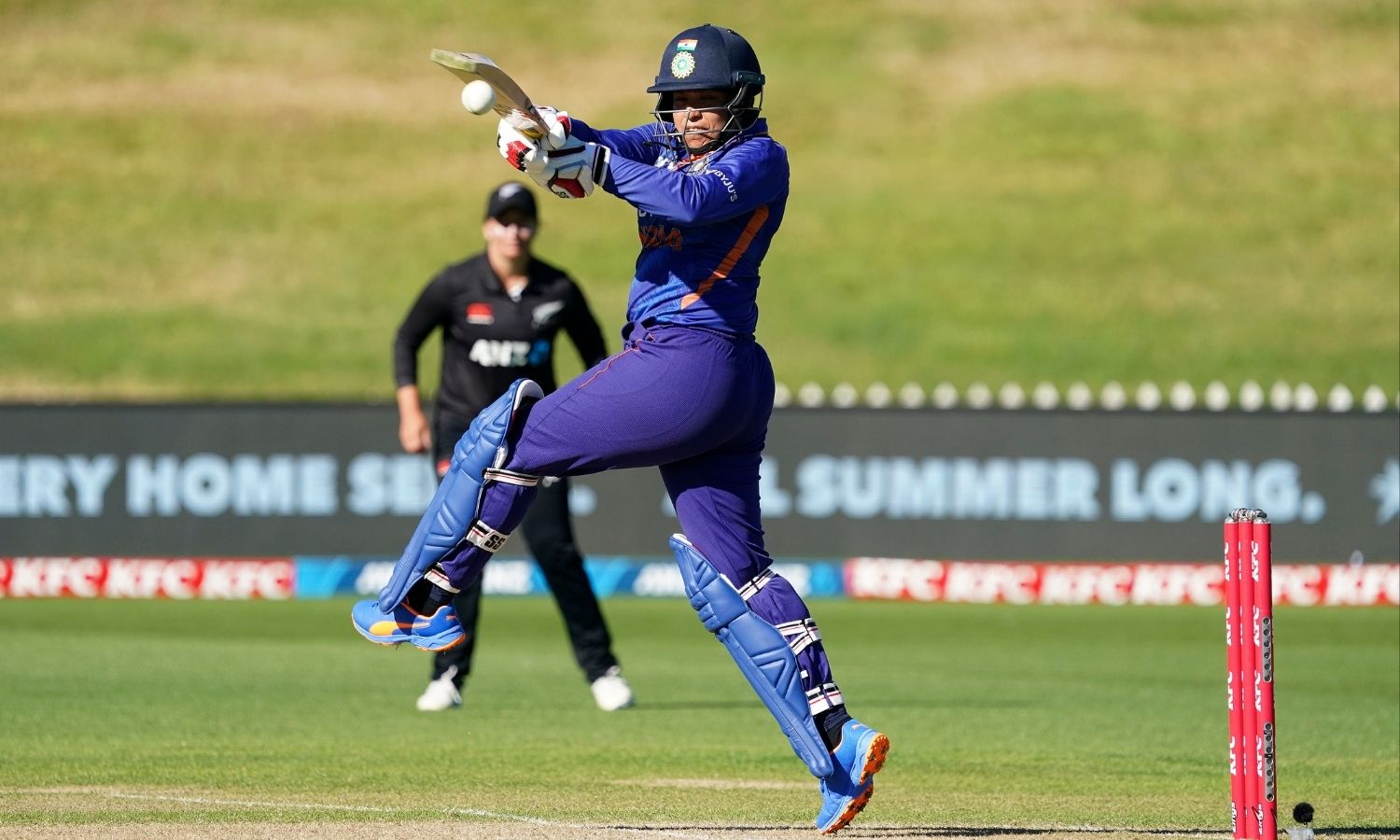
So what does the word “dynasty” mean in this context? It doesn’t mean simply “win many trophies” (though that’s part of it). It means creating a system where success breeds success: where a young girl in a small town believes she will play for India; where sponsors expect women’s leagues; where media expect female sports stars; where the country looks at girls with a bat and doesn’t say “that’s unusual”.
Here’s what to watch for:
Leagues and depth: League structures (like the Women’s Premier League in cricket) will deepen, offering more seasons, more franchises, more pay, more global talent. That builds bench strength.
International exposure: More bilateral tours, more multi-nation tournaments, more young girls playing abroad. Experience breeds excellence.
Interdiscipline cross-pollination: Coaches, fitness trainers, analysts now trained in women’s cricket will be used in other sports. Best practices move across boundaries.
Access and equity: Training, resources and infrastructure in rural and smaller towns will improve. Pathways from school to national level will be smoother.
Media & societal narrative shift: The story of sport will evolve to include female protagonists by default. Role models will diversify. Community acceptance will deepen.
Commercial ecosystem: Investment, sponsorship, broadcasting, merchandising–all will expand. Women’s sport will be seen as mainstream, not niche.
Final Thoughts: A Moment and a Movement
When the Indian women cricketers climbed onto the podium in 2025, the banners weren’t just about a trophy. They were about possibility. The sound in the stadium wasn’t just applause–it was the echo of dreams made visible.
The real victory is now about what happens next. Because the greatest legacy of that win will be seen not in one season but in ten. In how many girls pick up the bat. In how many small towns build proper coaching centres. In how many leagues declare their women’s teams. In how many sports sectors adopt the professionalism forged in cricket.
Yes–it was a World Cup. But it was more. It was a turning point. And now the work begins on the dynasty. The next generation of Indian women athletes will speak with confidence: “We belong. We will shine. We will lead.”
In that sense, the 2025 triumph was both finish line and starting line–a moment of celebration and a call to action. Because the dream has been realised. Now the dynasty begins.


